Keeping Your Horse Cool and Hydrated in Warm Weather

As temperatures rise, horse owners must take extra precautions to ensure their equine friends stay comfortable, cool, and hydrated. Here are some effective strategies to help keep your horse healthy during the warm weather:

1. Provide Plenty of Fresh Water

Ensure your horse has constant access to clean, fresh water. Horses can drink a significant amount, especially when it’s hot, so check their water supply regularly. Consider adding electrolytes to their water or feeding them electrolyte supplements to help replenish lost salts from sweating.

2. Offer Shade

Horses need shelter from direct sunlight. Make sure there are shaded areas in their pasture or stable where they can escape the heat. Trees, shelters, or even shade cloth can provide relief from the sun.

3. Adjust Feeding Times

Feed your horse during the cooler parts of the day, such as early morning or late evening. Avoid feeding during the hottest hours, as this can increase their body temperature and lead to discomfort.

4. Groom Regularly

Regular grooming helps remove excess sweat and dirt, allowing the horse’s coat to breathe better.

5. Cool Down After Exercise

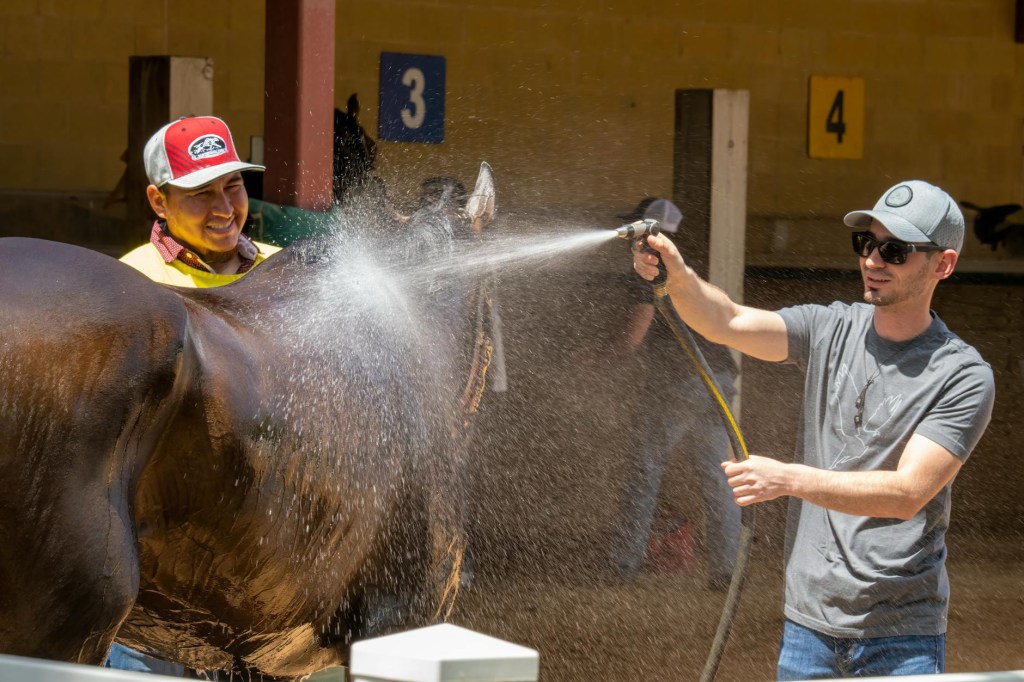
After riding or exercising, cool your horse down gradually. Walk them for at least 10-15 minutes and then hose them off with cool water, starting from the legs and moving to the body. This helps lower their body temperature effectively.

6. Know the Signs of Heat Stress

Be aware of the symptoms of heat stress, which can include excessive sweating, rapid breathing, increased heart rate, and lethargy. If you notice any of these signs, take immediate action to cool your horse down.

7. Use Fans and Misters

In stables, consider using fans or misting systems to keep the air cool and fresh. This can help reduce the ambient temperature and provide comfort for your horse.

8. Limit Intense Workouts

During extreme heat, limit the intensity and duration of workouts. Opt for short, frequent training sessions instead of long, strenuous rides.

9. Monitor Body Condition

Keep an eye on your horse’s body condition and weight. Hot weather can affect their appetite, so ensure they are maintaining a healthy weight and adjust their diet if necessary.

10. Hydration Reminders

Consider incorporating hydration reminders into your routine. Set alarms or schedule check-ins to make sure your horse is drinking enough throughout the day.

By following these tips, you can help ensure your horse remains cool, comfortable, and well-hydrated during the warm weather. Taking proactive measures will not only enhance their well-being but also improve their performance and overall quality of life.
Signs That Your Horse May Benefit from a Massage Treatment

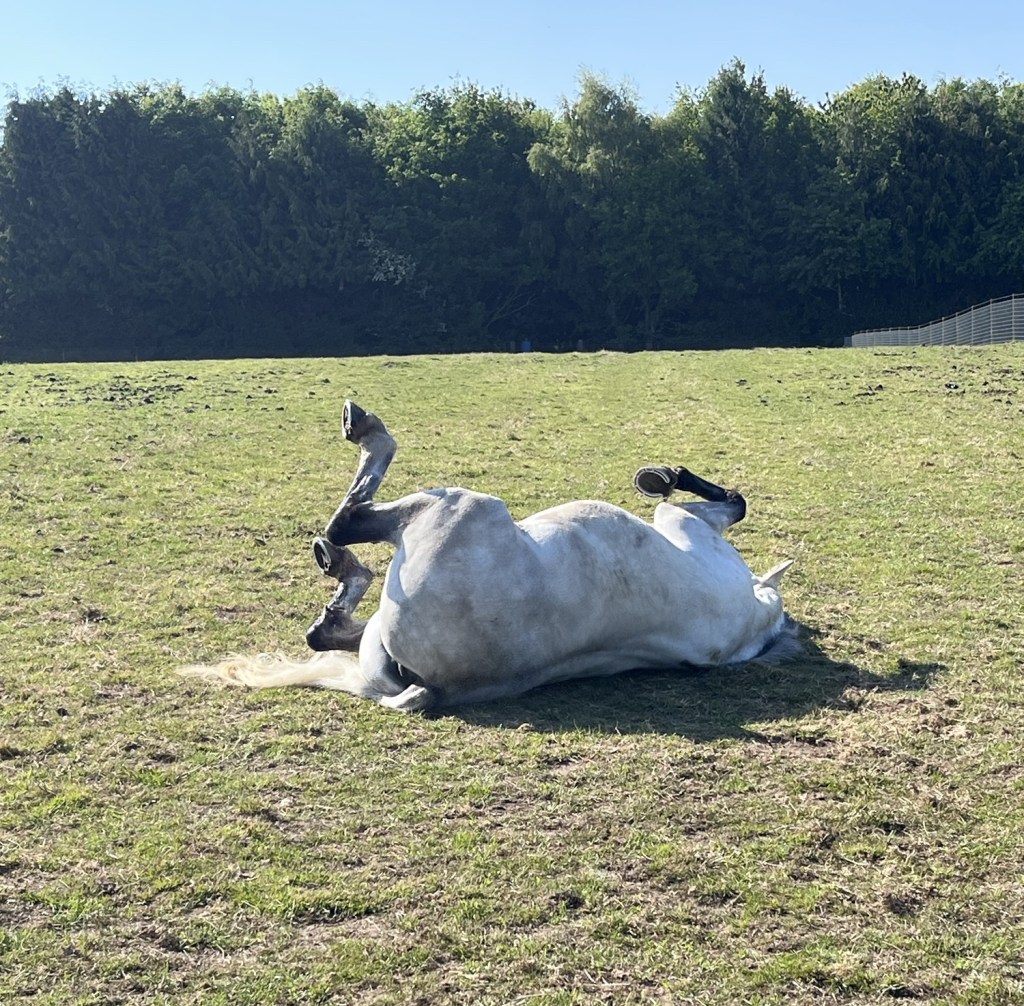
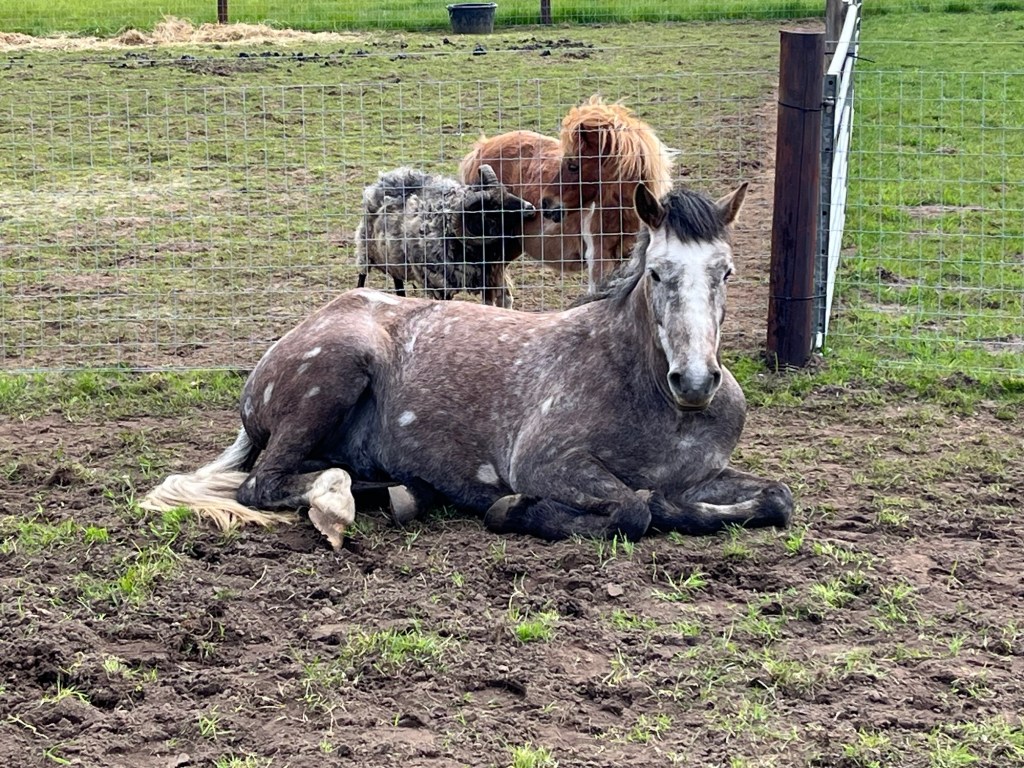
Massage therapy can be a valuable addition to your horse’s overall care routine, promoting relaxation, improving circulation, and alleviating pain. Here are some signs that indicate your horse may benefit from a massage treatment:

1. Muscle Tension or Stiffness

  • If you notice your horse is reluctant to move, seems stiff, or has difficulty bending in certain directions, it may be experiencing muscle tension. Massage can help relieve stiffness and restore flexibility.

2. Behavioral Changes

  • Changes in behavior, such as increased irritability, restlessness, or changes in eating habits, can indicate discomfort. A massage may help soothe your horse’s nerves and improve its overall mood.

3. Poor Performance

  • If your horse is not performing at its best, whether in training or competition, it might be due to underlying muscle soreness or tension. Regular massage can help enhance performance and prevent injuries.

4. Sensitivity to Touch

  • If your horse flinches, pins its ears back, or shows signs of discomfort when being groomed or handled, it might have sore muscles or trigger points that could benefit from massage therapy.

5. Uneven Muscle Development

  • Observing asymmetry in muscle development or tone can indicate that certain areas are overworked or underused. A massage can help balance muscle development and improve overall body condition.

6. Post-Injury Recovery

  • If your horse has recently suffered an injury, massage therapy can aid in the recovery process by increasing blood flow, reducing scar tissue formation, and promoting relaxation in the affected areas.

7. Lameness or Gait Issues

  • If your horse is showing signs of lameness or an abnormal gait, it may be compensating for pain or discomfort in another area. Massage can help identify and address these issues, potentially improving mobility.

8. Increased Stress Levels

  • Horses can experience stress from various factors, including changes in their environment, training schedules, or competition. Massage can reduce stress and promote relaxation, helping your horse feel more at ease.

9. Age-Related Issues

  • Older horses often face challenges such as arthritis and wear on their muscles and joints. Regular massage can help alleviate discomfort and improve the quality of life for senior horses.

10. Routine Maintenance

  • Even if your horse appears healthy, regular massage can be beneficial for maintaining muscle health, preventing injuries, and enhancing overall well-being.

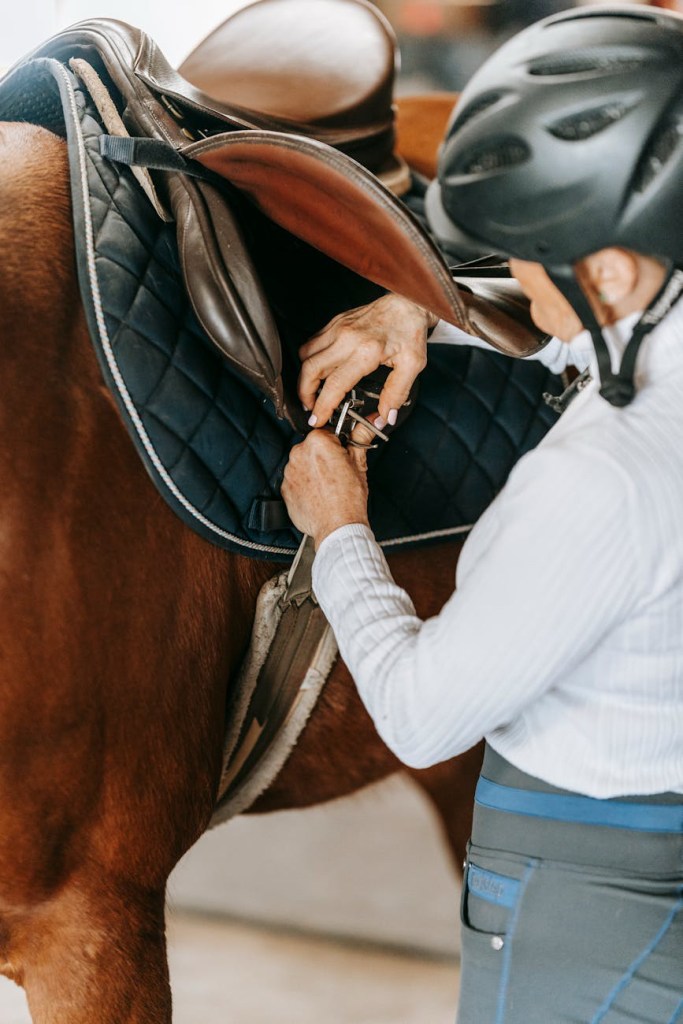
If you notice any of these signs in your horse, consider the benefits of a targeted massage treatment. Regular massage treatments can play a significant role in your horse’s health and performance, ensuring they remain happy and fit for years to come. Always remember to combine massage therapy with other aspects of equine care, including proper nutrition, exercise, regular tack and saddle checks and veterinary check-ups, for the best results.

Understanding Trigger Points in Horses and the Benefits of Massage

Horses are magnificent creatures, renowned for their strength, agility, and grace. However, like all athletes, they can experience physical discomfort and muscle tightness, often manifesting in the form of trigger points. Understanding these trigger points and how massage can help is essential for any horse owner or trainer.

What are Trigger Points?

Trigger points, often referred to as muscle knots, are hyperirritable spots within a muscle that can cause pain, stiffness, and discomfort. In horses, these points can develop due to various factors, including:

  • Overuse: Repetitive activities or excessive training can lead to muscle fatigue and strain, resulting in trigger points.
  • Poor Posture: Incorrect positioning while standing or moving can create muscle imbalances.
  • Stress and Anxiety: Just like humans, horses can hold tension in their bodies due to stress, leading to tight muscles.
  • Injury: Previous injuries can leave behind residual tension in the affected muscles.

Trigger points can lead to a range of issues, including reduced performance, behavioral changes, and even lameness if left untreated.

Identifying Trigger Points in Horses

Horse owners and trainers can often identify trigger points by observing signs such as:

  • Unwillingness to perform certain movements
  • Changes in gait or posture
  • Sensitivity to touch in certain areas
  • Muscle stiffness or uneven muscle development

Common areas where trigger points tend to develop include the neck, back, shoulders, and hindquarters. Regular observation and palpation can help in detecting these areas early.

The Role of Massage in Trigger Point Therapy

Massage therapy can play a vital role in alleviating the discomfort associated with trigger points. Here’s how:

  1. Increases Blood Flow: Massage promotes circulation, delivering oxygen and nutrients to the muscles while helping to flush out toxins. This can aid in muscle recovery and reduce inflammation.
  2. Releases Tension: Through various techniques, massage can help release the tightness in muscles, thereby alleviating the pain caused by trigger points.
  3. Improves Flexibility: Regular massage can enhance muscle elasticity and range of motion, which is crucial for performance horses.
  4. Enhances Relaxation: Massage not only benefits the muscles but also promotes overall relaxation. This can be particularly beneficial for horses that experience anxiety or stress.
  5. Supports Rehabilitation: For horses recovering from injuries, massage can help facilitate healing by reducing muscle tension and improving mobility.

Techniques for Massaging Horses

When massaging a horse, it’s essential to approach the process with care and respect. Here are some common techniques:

  • Effleurage: Light, gliding strokes that warm up the muscle and promote relaxation.
  • Petrissage: Kneading techniques that help in breaking down tight muscle fibers and trigger points.
  • Friction: Applying pressure to specific areas can help release knots and tension.
  • Stretching: Gentle stretches can improve flexibility and help release tight muscles.

Understanding trigger points in horses and the benefits of massage is crucial for maintaining their overall health and performance. Regular massage not only helps in alleviating discomfort but also promotes relaxation and recovery, ensuring that horses remain in peak condition. Whether you are a trainer, owner, or rider, incorporating massage therapy into your horse care routine can lead to happier, healthier horses ready to perform at their best.

The Importance of Equine Massage Therapy when Starting a Young Horses Under Saddle

Starting young horses under saddle is an exciting and critical phase in their development. While traditional training methods focus on technique and discipline, integrating a holistic approach—especially through equine massage therapy—can significantly enhance the process, ensuring a well-rounded foundation for your horse.

Understanding Equine Massage Therapy

Equine massage therapy involves the manipulation of a horse’s muscles and soft tissues to promote relaxation, improve circulation, and enhance overall well-being. It is a non-invasive therapy that can be particularly beneficial for young horses, who are still developing both physically and mentally.

Benefits of Equine Massage for Young Horses

  1. Muscle Development: Young horses are often still growing, and their muscles are developing rapidly. Massage helps to stimulate muscle growth, improve flexibility, and encourage proper posture, which is crucial for their performance under saddle.
  2. Stress Relief: Starting under saddle can be a stressful experience for young horses. Massage therapy provides a calming effect, helping to reduce anxiety and build trust between the horse and rider. A relaxed horse is more receptive to learning and adapting to new experiences.
  3. Injury Prevention: Young horses are prone to strains and injuries as they learn to carry a rider. Regular massage can help identify areas of tension or discomfort early on, allowing for preventative measures to be taken before they lead to more significant issues.
  4. Enhanced Performance: A horse that receives regular massage therapy is more likely to perform better. Improved circulation and muscle relaxation can lead to increased stamina and a better range of motion, allowing the horse to execute commands with greater ease.
  5. Holistic Health: A holistic approach considers the horse’s emotional, physical, and mental health. Incorporating massage into the training routine addresses not just the physical aspects but also supports emotional well-being, creating a more balanced and healthy horse.

Integrating Massage Into Training

  1. Pre-Training Routine: Before saddling up, incorporate a short massage session to prepare the horse’s muscles. Focus on areas that might be tense or tight from previous activities.
  2. Post-Training Recovery: After a training session, a massage can help the horse recover by flushing out lactic acid and promoting relaxation. This aids in faster recovery and keeps the horse feeling good.
  3. Regular Sessions: Establish a routine for regular massage therapy sessions. Depending on the horse’s workload and individual needs, this could be weekly or bi-weekly.
  4. Collaboration with Professionals: Work with a certified equine massage therapist who understands the specific needs of young horses. They can tailor the sessions to complement the training program and address any concerns that arise.
  5. Listen to Your Horse: Pay attention to your horse’s reactions during and after massage sessions. Their responses can provide insights into areas that need more focus or adjustments in training.

Conclusion

Starting young horses under saddle is not just about teaching them to carry a rider; it’s about setting them up for a successful and healthy future. By incorporating equine massage therapy into your training regimen, you provide your horse with a solid foundation, addressing their physical and emotional needs holistically. This approach not only enhances their training experience but also fosters a deeper bond between horse and rider, ensuring a more enjoyable journey together.

Finding Balance: Positivity and Motivation in Your Life with Your Horse

**Introduction**  

Life can often feel like a juggling act, especially when you’re trying to balance family, work, and the time spent with your beloved horse. As an equine massage therapist, I understand the importance of maintaining a holistic approach to life that encompasses not only our physical health but also our mental and emotional wellbeing. In this blog, we’ll explore how to cultivate positivity and motivation through your relationship with your horse while ensuring that all aspects of your life are harmoniously balanced.

**The Power of Positivity with Your Horse**  

Horses have an incredible ability to lift our spirits and provide us with a sense of purpose. Spending time with them can be therapeutic, helping to reduce stress and anxiety. Engaging in activities like riding, grooming, or simply being in their presence can create a positive mindset that spills over into other areas of your life. Here are some tips to harness that positivity:

1. **Mindfulness in the Moment**: When you’re with your horse, focus on the present. Enjoy the little moments, whether it’s the sound of their breathing or the feel of their coat under your hands. Mindfulness can enhance your bond with your horse and bring tranquility to your mind.

2. **Set Goals Together**: Whether it’s mastering a new riding technique or preparing for a competition, setting goals can provide motivation. Celebrate the small victories along the way to keep the positivity flowing.

3. **Incorporate Gratitude**: Keep a journal where you note down moments of joy with your horse and aspects of your life that you are grateful for. This practice can shift your focus from stress to appreciation.

**Balancing Family, Work, and Your Horse**  

Achieving a balance between family commitments, work responsibilities, and your passion for horses can be challenging. Here are some strategies to help you find that equilibrium:

1. **Create a Schedule**: Plan your week in advance, allocating specific times for family, work, and horse activities. Stick to this schedule as best as you can, but remain flexible for unexpected events.

2. **Involve Your Family**: Share your passion for horses with your family. Invite them to join you in activities at the yard or take part in family-friendly horse events. This not only strengthens your relationships but also creates shared memories.

3. **Quality Over Quantity**: It’s not always about the amount of time spent; it’s about the quality of that time. Make the moments you spend with your horse and family count by being fully present and engaged.

**A Holistic Approach to Health and Wellbeing**  

A holistic approach means considering the physical, emotional, and spiritual aspects of health for both you and your horse. Here are some practices to enhance wellbeing:

1. **Nutrition Matters**: Ensure both you and your horse have balanced diets. Proper nutrition fuels energy and supports overall health. For horses, consider their specific needs based on their activity levels and age.

2. **Physical Activity**: Regular exercise is essential. While riding is a great way to stay active, don’t forget about your own fitness routine. A healthy body contributes to a healthy mind.

3. **Stress Management**: Incorporate relaxation techniques such as yoga or meditation into your routine. These practices can help you maintain a calm demeanor that benefits your horse as well.

**Conclusion**  

Balancing family, work, and your passion for horses doesn’t have to be overwhelming. By adopting a holistic approach and focusing on positivity and motivation, you can create a fulfilling life that nurtures both you and your horse. Remember, it’s about enjoying the journey together and finding joy in every stride. As your equine massage therapist, I’m here to support you in achieving that balance, ensuring optimal health and wellbeing for both you and your equine partner. Embrace the ride!

Title: The Impact of lush Spring and Summer Grazing on Your Horse.

Introduction:
As the seasons change and spring and summer bring forth lush green grass and occasional rain showers, it is essential for horse owners to understand how these environmental factors can affect their equine companions. In this blog, I will explore the impact of lush spring/summer grass on horses and provide insights into creating an exercise program and incorporating regular massage treatments to maintain their well-being.

The Impact of Spring/Summer Grass:

  1. Nutritional Considerations:
    During spring and summer, the grass tends to be high in sugar content, posing a risk of laminitis and obesity in horses. It is crucial to monitor their grazing time and provide controlled access to pasture to prevent excessive consumption of rich grass.
  2. Digestive Health:
    Abrupt changes in diet, such as transitioning from hay to fresh grass, can disrupt the horse’s digestive system. Gradually introducing them to pasture grazing and monitoring their bowel movements can help minimise the risk of digestive issues like colic.
  3. Increased Activity Levels:
    With the arrival of pleasant weather, horses tend to become more active and energetic. This increased activity can lead to heightened muscle stress and fatigue, necessitating proper exercise and conditioning to prevent injuries.

Spring/Summer Exercise Program:

  1. Gradual Fitness Building:
    Begin the exercise program with light to moderate exercise, gradually increasing the intensity and duration over time. This approach allows the horse’s muscles and cardiovascular system to acclimate to the increased workload.
  2. Incorporate Variety:
    Include a mix of activities such as lunging, hacking and schooling sessions to engage different muscle groups and provide mental stimulation. Varying the exercise routine helps prevent boredom and enhances overall fitness.
  3. Consistency and Regularity:
    Consistency is key in any exercise program. Aim for regular exercise sessions, ideally scheduled at the same time each day, to establish a routine that your horse can anticipate. Consistent exercise also aids in weight management and muscle development.

Regular Massage Treatments:

  1. Promote Relaxation and Circulation:
    Massage therapy can help relax tense muscles, improve circulation, and enhance overall well-being. Regular sessions can improve flexibility, reduce stiffness, and contribute to a horse’s overall comfort and performance.
  2. Identify and Address Muscular Issues:
    Professional equine massage therapists can identify areas of tension, knots, or imbalances in the horse’s muscles. Targeted massage techniques can help alleviate these issues, preventing potential injuries and promoting faster recovery.
  3. Enhance Bonding and Trust:
    Massage sessions provide an opportunity for horse and owner to bond and build trust. The calming and soothing effect of massage can help horses associate positive experiences with human touch, deepening their connection with their handlers.


As spring and summer bring about changes in the environment, it is important to consider the impact of lush grass on your horse’s health. By implementing a well-rounded exercise program and incorporating regular massage treatments, you can ensure your horse stays fit, relaxed, and in optimal condition throughout the Summer.

Happy riding and enjoy the beautiful weather with your equine companion!

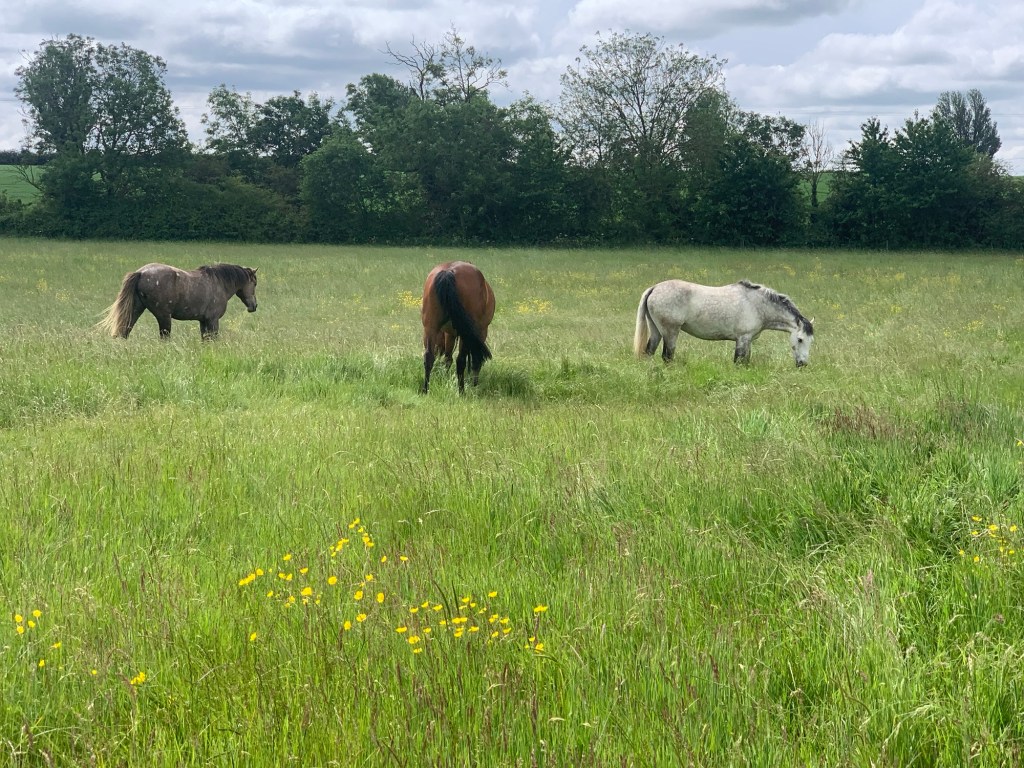
Err Billy that’s the hay paddock!!!


The Importance of Stretching Before and After Exercise: For Athletes, Both Human and Equine

Stretching plays a crucial role in the preparation and recovery process for athletes, both human and equine. Let’s delve into why it’s important:

  1. Injury Prevention: Stretching before exercise helps to warm up the muscles, tendons, and ligaments, making them more flexible and less prone to injury. It increases the range of motion and prepares the body for the demands of physical activity.
  2. Improved Performance: Proper stretching before exercise enhances muscle coordination, balance, and overall performance. It primes the body for optimal movement patterns and allows athletes to perform at their best.
  3. Enhanced Flexibility: Regular stretching improves flexibility, which is essential for athletes. Increased flexibility enables greater joint mobility, allowing athletes to move more freely and efficiently during training or competition.
  4. Muscle Recovery: Stretching after exercise helps to cool down the body and aids in the recovery process. It helps to reduce muscle soreness and stiffness by increasing blood flow to the muscles, which promotes the removal of waste products and delivery of essential nutrients.
  5. Relaxation and Mental Focus: Stretching provides a valuable opportunity for athletes to mentally prepare before exercise or wind down after a workout. It promotes relaxation, reduces stress, and enhances focus, contributing to overall well-being.

For equine athletes, stretching can also improve their performance and well-being. It helps to maintain joint mobility, prevent muscle imbalances, and reduce the risk of equine injuries.

Remember, it’s important to perform stretches correctly and avoid bouncing or excessive force. Each athlete, human or equine, has unique needs, so it’s advisable to consult with a qualified professional, such as a sports trainer or equine therapist, to develop a tailored stretching routine that suits individual abilities and goals.

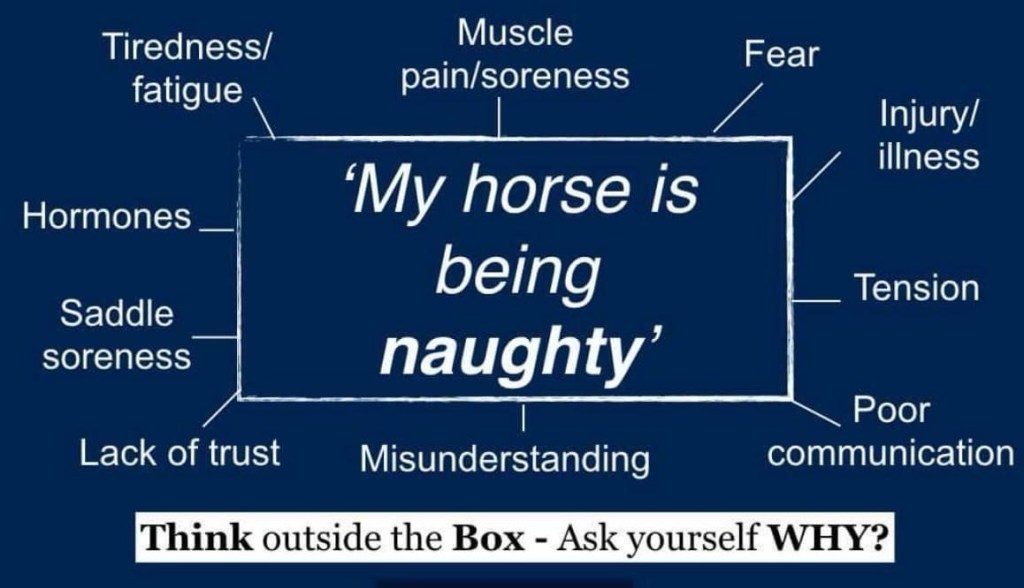
The Myth of the ‘Naughty Horse’

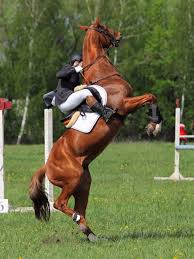
This myth suggests that a horse’s “naughty” behavior, such as resistance during training or performance issues, is solely due to a misbehaving or stubborn nature. However, a holistic approach recognises that these behaviors can be manifestations of underlying physical or emotional discomfort.

Massage therapy, as part of a holistic approach, can help identify and address these issues. It involves the manipulation of soft tissues, such as muscles, tendons, and ligaments, to enhance circulation, relieve tension, and promote relaxation. By incorporating massage therapy into a horse’s care routine, it can help improve their overall well-being, physical condition, and performance.

Massage therapy can be beneficial for horses in several ways. It can help alleviate muscle soreness, stiffness, and tension, which may contribute to behavioral issues. Additionally, it can help improve flexibility, range of motion, and joint mobility, enhancing the horse’s ability to perform tasks comfortably and efficiently. Moreover, massage therapy can aid in reducing stress and anxiety by promoting relaxation and releasing endorphins, contributing to a calmer and more focused horse.

By taking a holistic approach that includes massage therapy, horse owners and trainers can address the underlying physical and emotional needs of their horses. This approach recognizes that behavioral issues are often a result of discomfort or imbalance, rather than simply labeling the horse as “naughty.” Through regular massage therapy and other holistic practices, the horse’s overall well-being and performance can be greatly improved.

Title: Enjoy the Benefits of Equine Massage for Your Horse

Introduction:
Welcome to my web page! I understand how important it is to have nice weather for outdoor activities. While I can’t control the weather, I can offer something equally beneficial for you and your horse. In this post, I will explore the world of equine massage and the numerous benefits it brings to your equine companion. So, let’s dive in!

What is Equine Massage?
Equine massage is a specialised form of therapy that involves the manipulation of soft tissues in horses. It focuses on relieving muscle tension, improving blood circulation, and promoting relaxation. As a trained equine massage therapist I use various techniques tailored to the horse’s specific needs, ensuring a safe and effective treatment.

The Benefits of Equine Massage

  1. Enhanced Performance: Equine massage helps to maintain and improve your horse’s performance by increasing flexibility, range of motion, and muscle strength. It aids in preventing injuries and reduces the recovery time from strenuous activities.
  2. Stress Relief: Just like humans, horses can experience stress and anxiety. Equine massage promotes relaxation, releases endorphins, and reduces tension, leading to a calmer and more content equine partner.
  3. Improved Circulation: Massage stimulates blood circulation, which delivers oxygen and nutrients to the muscles, promoting faster healing and reducing inflammation. It also aids in flushing out metabolic waste products, enhancing overall well-being.
  4. Pain Relief: Equine massage can alleviate muscle soreness, stiffness, and discomfort caused by various factors such as exercise, injury, or age-related conditions. It targets specific areas of pain and helps your horse find relief and comfort.


Equine massage offers a multitude of benefits for your horse’s physical and mental well-being. From enhanced performance to stress relief and improved circulation, the advantages are undeniable. Consider incorporating equine massage into your horse’s routine to provide them with the care and attention they deserve. Contact me today and as a qualified equine massage therapist I can unlock the incredible benefits for your equine companion.

Title: Embracing Autumn: Nurturing Your Horse’s Health and Well-being through Massage

Introduction:
As the leaves change color and the temperature begins to drop, autumn brings about a shift in routine and ground conditions for both horse and rider. These changes can significantly impact a horse’s health and well-being, particularly when faced with long periods of stabling and fluctuating temperatures. In this blog, I will explore how autumn influences our equine companions and discuss the benefits of incorporating a regular massage routine to support their physical and mental state during this transitional season.

  1. Adaptation to Changing Ground Conditions:
    Autumn often brings rain, leading to softer ground conditions and increased mud. Extended exposure to damp or muddy environments can take a toll on a horse’s hooves and overall health. Regular massage sessions can help improve blood circulation, promoting healthy hoof growth and aiding in the prevention of conditions like thrush. Furthermore, massages can alleviate muscle tension caused by uneven terrain, aiding in the prevention of strains or injuries.
  2. Managing Temperature Fluctuations:
    As temperatures fluctuate between warm and chilly, horses may struggle to adjust, potentially compromising their immune system and overall well-being. A regular massage routine can assist in regulating body temperature and promoting circulation, ensuring that your horse stays warm and comfortable. The increased blood flow resulting from massage supports the delivery of essential nutrients, helping to keep their body functioning optimally during this transitional period.
  3. Alleviating the Effects of Long Periods Stabled:
    With the onset of autumn comes the increased need for stabling due to adverse weather conditions. This prolonged confinement can lead to muscle stiffness, reduced range of motion, and mental stress. Regular massages can counteract these effects by relieving muscle tension, improving flexibility, and promoting relaxation. The physical touch and therapeutic benefits of massage can help combat the negative impact of stabling, leaving your horse feeling more content and relaxed.
  4. Promoting Mental Well-being:
    The change in routine and reduced access to grazing or turnout during autumn can lead to boredom and stress in horses. A regular massage routine offers mental stimulation and relaxation, helping to alleviate anxiety and promote a sense of calm. The human-animal bond deepens through the nurturing touch of massage, providing comfort and reassurance to horses during this transitional season.
  5. Enhancing Overall Health and Performance:
    By improving blood circulation, relieving muscle tension, and promoting relaxation, regular massages contribute to your horse’s overall health and performance. Massages aid in the prevention of muscular injuries, maintain joint flexibility, and support optimal physical condition. Additionally, the increased blood flow and release of endorphins during massages can enhance your horse’s mood and willingness to cooperate, positively impacting their training and performance.

Conclusion:
As autumn brings about changes in routine, ground conditions, and temperature, it is essential to prioritise your horse’s health and well-being. Incorporating a regular massage routine into their care regimen can offer numerous benefits, including improved circulation, relief from muscle tension, mental stimulation, and enhanced overall health and performance. Embrace the transformative power of massage this autumn, providing your equine companion with the care and support they need during this transitional season.