Introduction:
As the seasons change and spring and summer bring forth lush green grass and occasional rain showers, it is essential for horse owners to understand how these environmental factors can affect their equine companions. In this blog, I will explore the impact of lush spring/summer grass on horses and provide insights into creating an exercise program and incorporating regular massage treatments to maintain their well-being.
The Impact of Spring/Summer Grass:
- Nutritional Considerations:
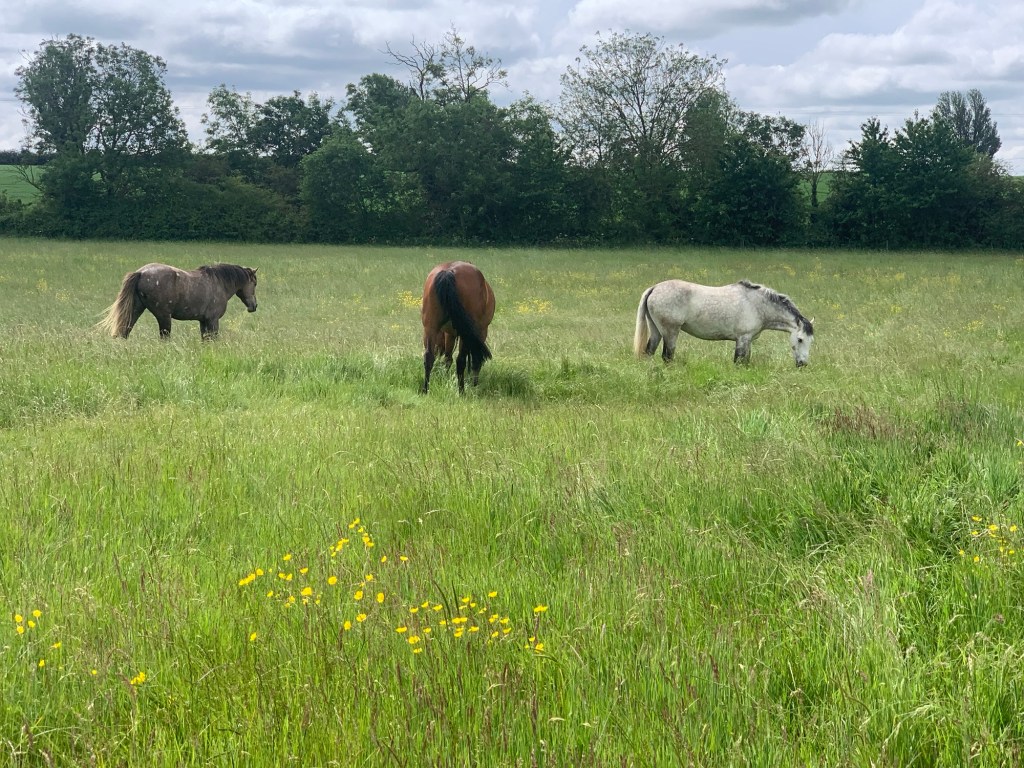
During spring and summer, the grass tends to be high in sugar content, posing a risk of laminitis and obesity in horses. It is crucial to monitor their grazing time and provide controlled access to pasture to prevent excessive consumption of rich grass. - Digestive Health:
Abrupt changes in diet, such as transitioning from hay to fresh grass, can disrupt the horse’s digestive system. Gradually introducing them to pasture grazing and monitoring their bowel movements can help minimise the risk of digestive issues like colic. - Increased Activity Levels:
With the arrival of pleasant weather, horses tend to become more active and energetic. This increased activity can lead to heightened muscle stress and fatigue, necessitating proper exercise and conditioning to prevent injuries.
Spring/Summer Exercise Program:
- Gradual Fitness Building:
Begin the exercise program with light to moderate exercise, gradually increasing the intensity and duration over time. This approach allows the horse’s muscles and cardiovascular system to acclimate to the increased workload. - Incorporate Variety:
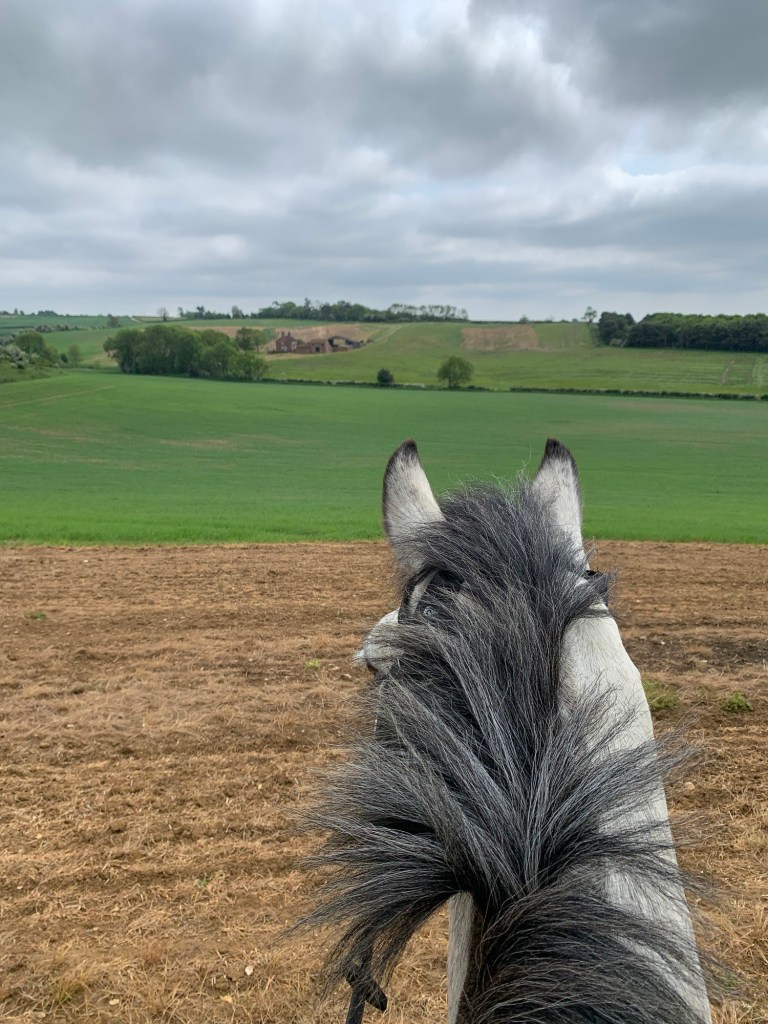
Include a mix of activities such as lunging, hacking and schooling sessions to engage different muscle groups and provide mental stimulation. Varying the exercise routine helps prevent boredom and enhances overall fitness. - Consistency and Regularity:
Consistency is key in any exercise program. Aim for regular exercise sessions, ideally scheduled at the same time each day, to establish a routine that your horse can anticipate. Consistent exercise also aids in weight management and muscle development.
Regular Massage Treatments:
- Promote Relaxation and Circulation:
Massage therapy can help relax tense muscles, improve circulation, and enhance overall well-being. Regular sessions can improve flexibility, reduce stiffness, and contribute to a horse’s overall comfort and performance. - Identify and Address Muscular Issues:
Professional equine massage therapists can identify areas of tension, knots, or imbalances in the horse’s muscles. Targeted massage techniques can help alleviate these issues, preventing potential injuries and promoting faster recovery. - Enhance Bonding and Trust:
Massage sessions provide an opportunity for horse and owner to bond and build trust. The calming and soothing effect of massage can help horses associate positive experiences with human touch, deepening their connection with their handlers.
As spring and summer bring about changes in the environment, it is important to consider the impact of lush grass on your horse’s health. By implementing a well-rounded exercise program and incorporating regular massage treatments, you can ensure your horse stays fit, relaxed, and in optimal condition throughout the Summer.
Happy riding and enjoy the beautiful weather with your equine companion!

 Emily Arrand