
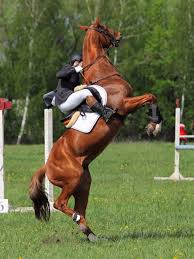
This myth suggests that a horse’s “naughty” behavior, such as resistance during training or performance issues, is solely due to a misbehaving or stubborn nature. However, a holistic approach recognises that these behaviors can be manifestations of underlying physical or emotional discomfort.
Massage therapy, as part of a holistic approach, can help identify and address these issues. It involves the manipulation of soft tissues, such as muscles, tendons, and ligaments, to enhance circulation, relieve tension, and promote relaxation. By incorporating massage therapy into a horse’s care routine, it can help improve their overall well-being, physical condition, and performance.
Massage therapy can be beneficial for horses in several ways. It can help alleviate muscle soreness, stiffness, and tension, which may contribute to behavioral issues. Additionally, it can help improve flexibility, range of motion, and joint mobility, enhancing the horse’s ability to perform tasks comfortably and efficiently. Moreover, massage therapy can aid in reducing stress and anxiety by promoting relaxation and releasing endorphins, contributing to a calmer and more focused horse.
By taking a holistic approach that includes massage therapy, horse owners and trainers can address the underlying physical and emotional needs of their horses. This approach recognizes that behavioral issues are often a result of discomfort or imbalance, rather than simply labeling the horse as “naughty.” Through regular massage therapy and other holistic practices, the horse’s overall well-being and performance can be greatly improved.

 Emily Arrand